
Membranes Addressing Global Water Challenges — and the Nonwoven fabric that Support Them
Membranes used in water purification and wastewater treatment are extremely thin films designed to separate and remove fine particles, microorganisms, and other substances contained in liquids. Against the backdrop of global population growth and increasing water pollution, which together are exacerbating worldwide water shortages, the importance of water treatment has grown significantly in recent years. In this context, our nonwoven fabrics play a vital role in supporting and enhancing membrane performance.
Various Types of Membranes
There are several types of membranes used in water treatment, each selected according to the type and size of substances to be filtered.
Typical examples include RO (Reverse Osmosis) membranes, which allow only water molecules to pass through while removing nearly all larger substances and impurities; NF (Nanofiltration) membranes, which are capable of separating and removing protein-sized substances; UF (Ultrafiltration) membranes, which reliably remove viruses; and MF (Microfiltration) membranes, which eliminate relatively large suspended particles such as bacteria.
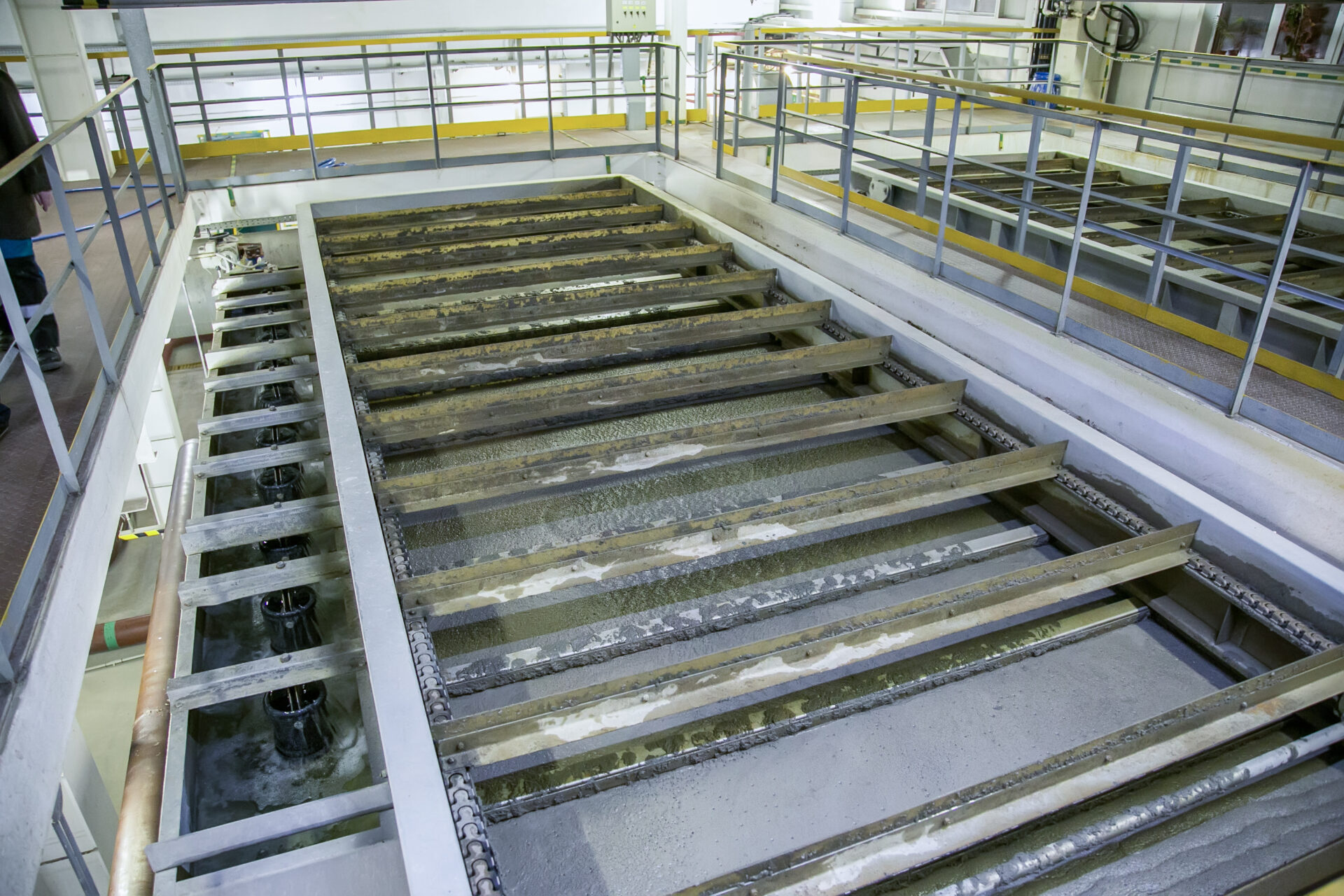
One example of a treatment technology utilizing MF membranes is the MBR (Membrane Bioreactor) process. This approach combines activated sludge treatment with filtration using MF membranes or similar technologies to treat sewage and wastewater. Because sedimentation tanks are not required, MBR systems enable a more compact treatment facility design.
Our Technology That Enables Membranes to Perform at Their Best
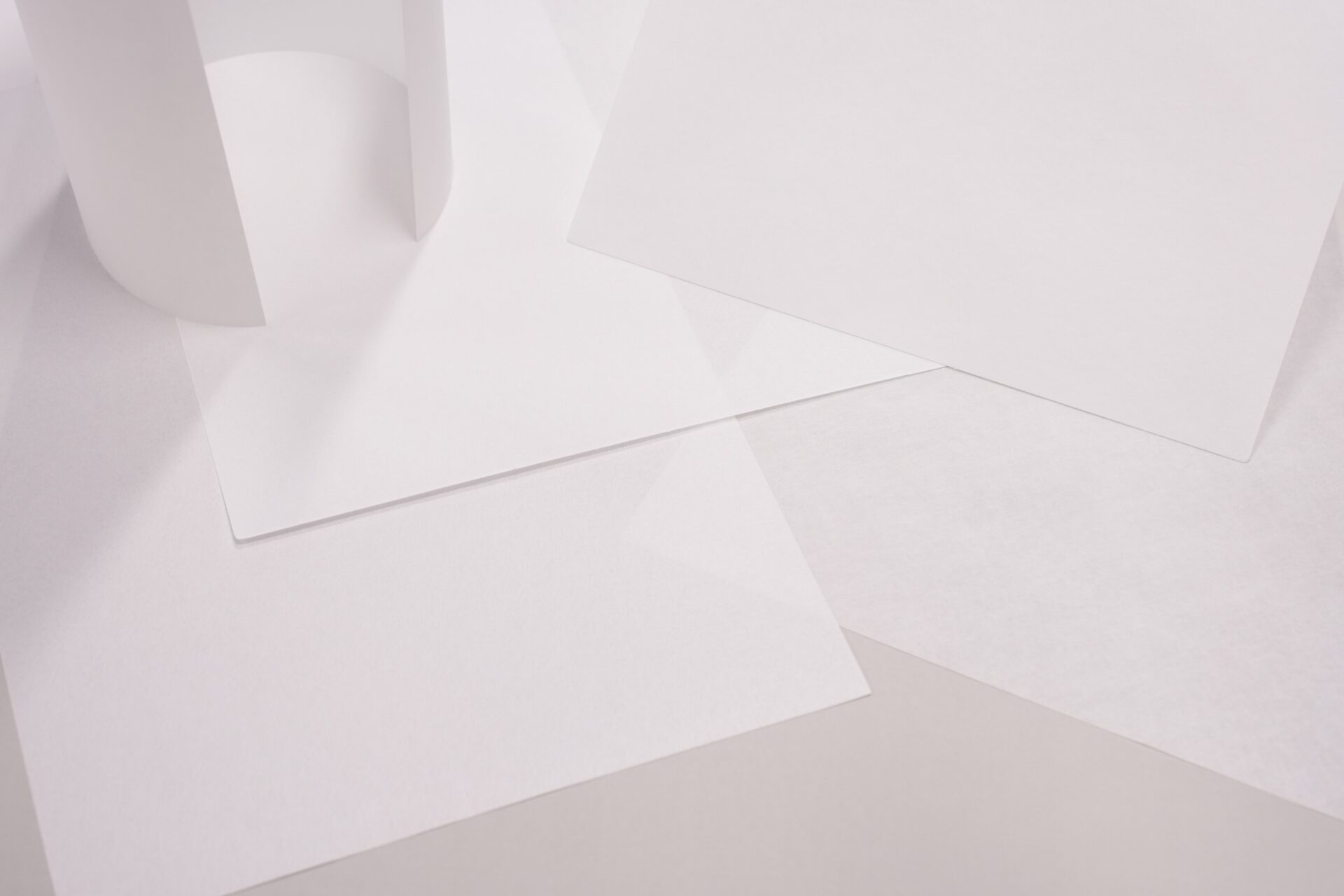
Membranes are designed to be extremely thin to allow water to pass through easily. As a result, they tend to have low mechanical strength and are prone to wrinkling and folding. For this reason, a “backing” or support layer is essential to support the thin membrane.
The backing plays a crucial role in membrane production and quality, directly influencing film-forming properties, membrane uniformity, and durability. Only with an appropriate backing can a membrane fully demonstrate its inherent performance. Our membrane backings make this possible, and our nonwoven fabrics are widely used as support materials for UF membranes and MF membranes, particularly those used in MBR applications.
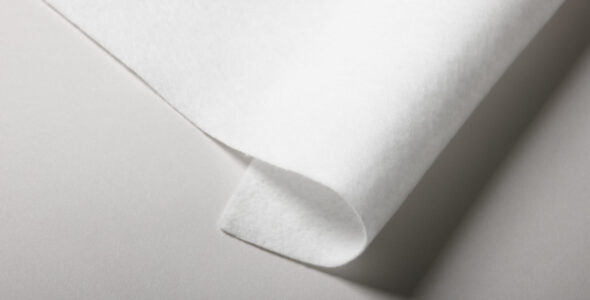
We have been producing and supplying dry-laid nonwoven fabrics for membrane backings for more than 20 years. Leveraging manufacturing know-how cultivated over many years, we achieve excellent surface smoothness, high strength, superior bending resistance, and outstanding vibration durability, enabling us to maintain consistently stable quality.
In addition, we have expanded our portfolio to include wet-laid nonwoven fabrics for membrane backings that offer excellent resistance to acids and alkalis. By utilizing our proprietary technology to precisely control porosity, these wet-laid nonwovens achieve a dense and highly uniform structure through the use of ultra-fine fibers and special bonding fibers.
Proposing Nonwoven Fabrics with Optimal Properties to Meet Diverse Needs
Our core strengths lie in our materials technology, a wide range of manufacturing processes and production lines, and diverse finishing and processing technologies, which together enable us to create a broad portfolio of multifunctional nonwoven products. For membrane backings as well, these combinations allow us to offer a wide selection of basis weights, thicknesses, strength levels, and other physical properties.
Our ability to propose nonwoven backing materials with the precise properties required to maximize membrane performance—tailored to each customer’s specific needs—is one of our greatest advantages. By optimizing nonwoven design according to application and treatment process, we strongly support membrane development aimed at achieving higher separation performance and long-term stable operation.