


In recent years, rising temperatures and increasingly severe heatwaves have driven growing demand for heatstroke prevention measures and cooling products. Among these products, cooling sheets have established themselves as a familiar and trusted solution. A key component supporting both the cooling performance and comfortable user experience of these sheets is nonwoven fabric. Since the early 1990s, Japan Vilene has been supplying nonwoven base materials for cooling sheet applications.
Performance Requirements for Cooling Sheet Base Materials
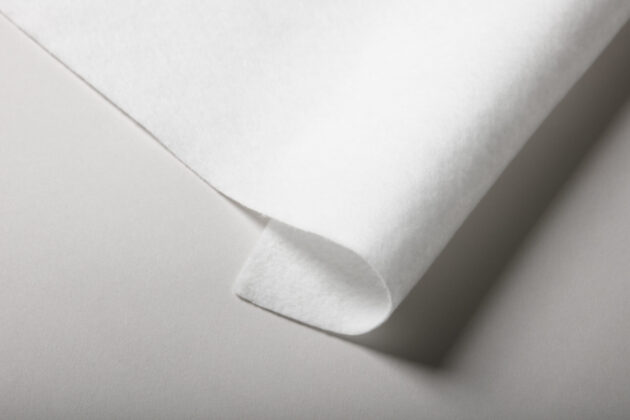
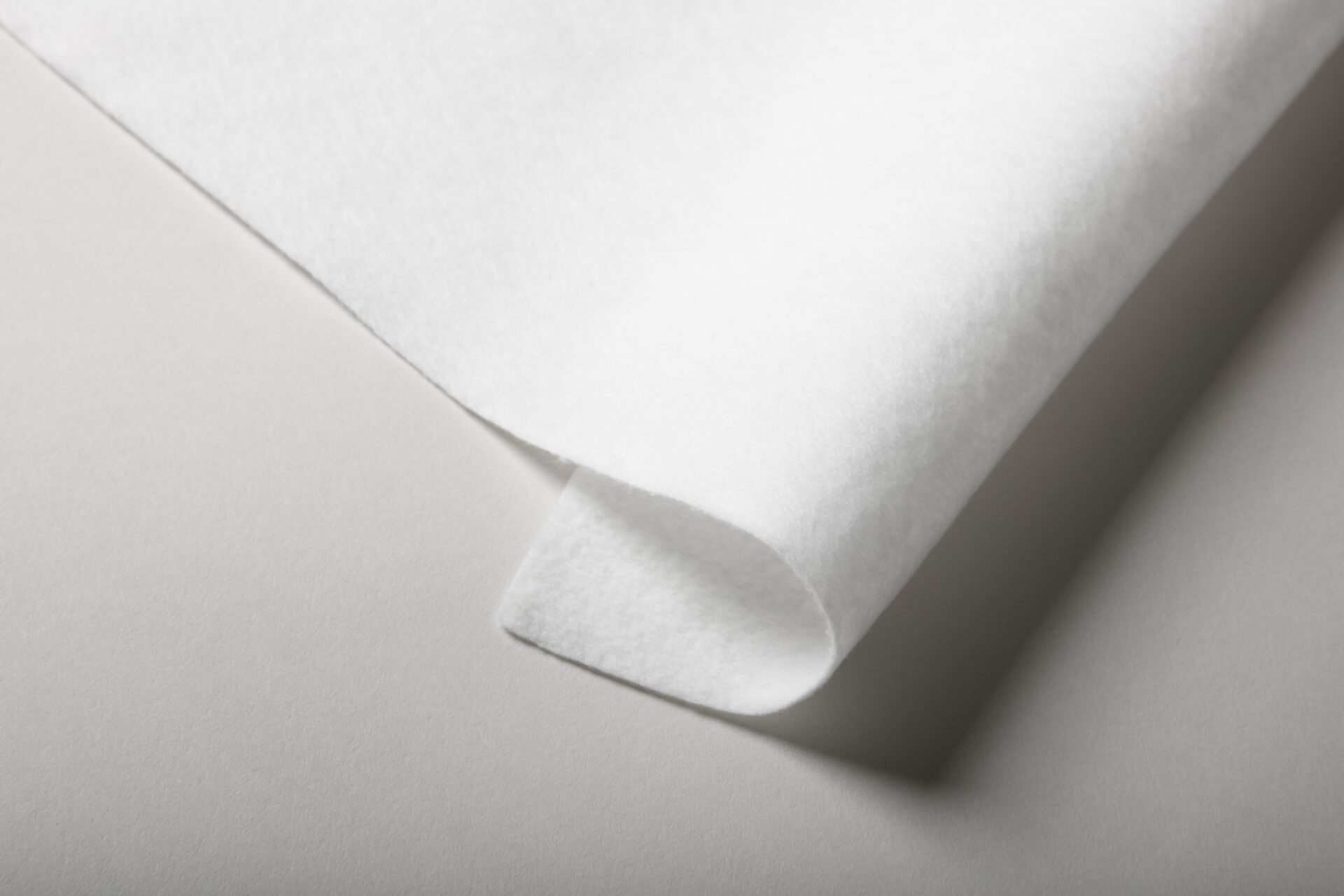
At first glance, the nonwoven fabric used in cooling sheets may appear to be an ordinary nonwoven material. However, nonwoven fabrics for cooling sheets are required to securely retain the cooling gel without allowing it to seep through to the outer surface, while also providing an appropriate level of stretchability.
Traditionally, cooling sheets were primarily used on the forehead to reduce discomfort caused by fever. Today, however, they are increasingly used on other parts of the body, such as the calves, and a greater variety of products are available on the market.
Many cooling sheets also feature printed designs. While stretchability is essential for achieving a comfortable fit on the body, it significantly increases the complexity of printing processes. Consequently, cooling sheet base materials require advanced design and manufacturing technologies that balance skin conformity with printability.
Nonwoven Design Based on Expertise in Skin-Applied Products
Our manufacturing and converting technologies for stretchable nonwoven fabrics are designed to meet these requirements.
The base materials we provide for cooling sheets originated from technologies developed for transdermal patch applications, a field in which we have accumulated expertise since the 1970s. The know-how we have cultivated through decades of producing materials for products that come into direct contact with the skin has been applied to achieve the comfort and functionality required in cooling sheets.
For example, our ability to securely retain cooling gel while preventing strike-through is rooted in technologies originally developed for pharmaceutical patch gels. However, cooling sheet gels typically contain a higher proportion of water than medicated patch gels, making it difficult to simply apply conventional patch base material designs directly to cooling sheet applications.
To address these unique requirements, we have continuously refined and adapted our technologies developed for base materials for transdermal patch. By optimizing fiber selection, blend ratios, basis weight, thickness, and material uniformity, we have achieved an effective balance between gel retention and resistance to gel migration to the surface.
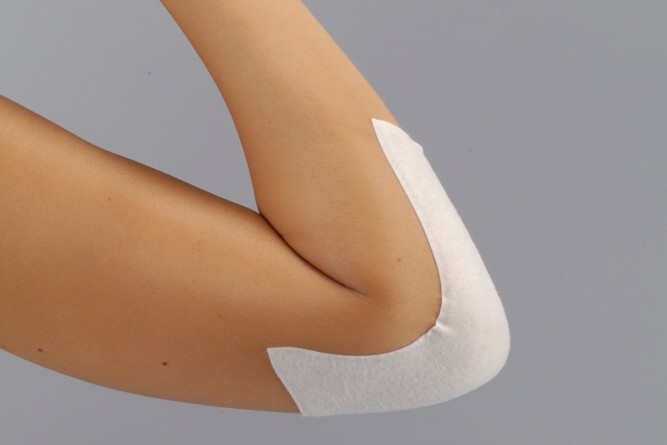
Printing applications present another technical challenge. Printing inks and converting processes can negatively affect the stretchability of nonwoven materials. As a result, changes in stretch performance after printing must be taken into account during the design stage.
Because increasing basis weight and improving uniformity often involve trade-offs with stretchability, we leverage our production technologies developed for base materials for pharmaceutical patch to optimize material design and meet diverse product and design requirements.
Building Trust Through Rigorous Quality Management
Because cooling sheets come into direct contact with the skin, product reliability and safety are essential.
At Japan Vilene, we maintain comprehensive quality control systems, including measures to prevent contamination and ensure consistent manufacturing quality. The combination of our technological expertise and accumulated quality management know-how, developed through years of supplying base materials for transdermal patch, has earned the trust of cooling sheet manufacturers.
The demand for products that help people stay cool continues to grow year after year. As a key material supporting the comfort and performance of cooling sheets, our nonwoven fabrics will continue to contribute to more comfortable daily lives through innovative material design and manufacturing technologies.