


Basic Environmental Principle
Japan Vilene Company, Limited recognizes that the conservation of the global environment is the most important issue confronting the planet. We will provide technologies and products that are compatible with the environment so that we can contribute to the development of society, paying attention to environmental protection in every aspect of our corporate activities.
(Established on January 1, 1999)
Environmental Policies
- We consider the conservation of the global environment one of the most important responsibilities of management.
- We will comply with domestic and international laws and regulations related to the environment and voluntarily establish management standards that encourage environmentally efficient activities.
- We will accurately gauge the impact of our business activities on the environment and repeatedly make regular reviews of the established environmental objectives and targets to prevent contamination and make continuous improvements.
- To create a sustainable recycling society, we will improve our technological and management activities to reduce the burden on the environment, such as resource savings, energy savings and a reduction in waste materials.
- In the development of new products and new technologies, we will make an environmental impact assessment throughout the production lifecycle, from the selection of raw materials to manufacturing, distribution, use and disposal to reduce the environmental burden.
- We will take steps to raise the environmental awareness of all employees through education and internal activities and to provide information and communications to local communities and government offices.
(Established on April 1, 2005)
Sustainability at Freudenberg Group
At Freudenberg, sustainability plays a key role in everything we do. We are committed to preserving our planet for future generations. This means minimizing waste and emissions while reducing the use of water, energy, and materials to the absolute minimum. To achieve this, we continuously optimize our processes while developing sustainable products for our customers.
Two Dimensions of Sustainability
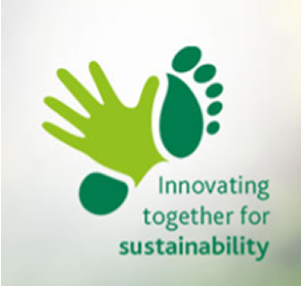
Sustainability has two dimensions for the Freudenberg Group.
First, the way the company shapes its own processes and uses its systems to reduce resource consumption (footprint).
Second, Freudenberg offers numerous products and solutions that enable customers to manufacture more efficiently and sustainably or to make their products more resource-efficient (handprint).
By reducing its footprint and expanding customers’ handprints, Freudenberg is contributing to greater sustainability worldwide.
Five Key Focus Areas
Materials efficiency
Recycled, renewable and substitute materials
End of life (EOL) product handling
Waste handling
Waste management and reduction.
Energy efficiency
enewable energy
Energy efficiency and use of renewable
energy.
Air pollution/ emissions
Reduction of air
pollutants and other
emissions.
Water pollution
Water use
Prevention of water
pollution and efficient
water usage.
Our Initiatives
Our Initiatives to Reduce Environmental Impact (Footprint)
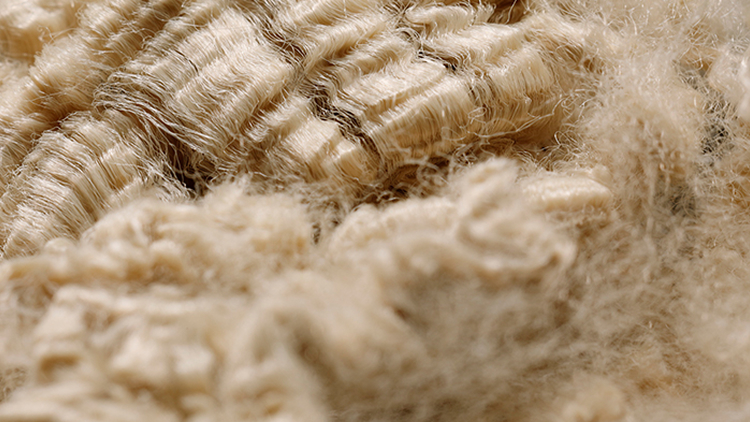
Use of Recycled Fibers
We produce fibers using recycled materials such as PET bottle flakes and recycled pellets. These fibers are used in automotive interior materials.

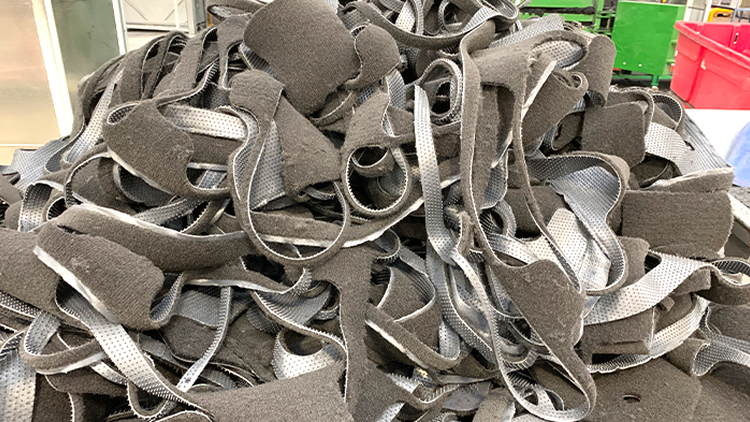
Reuse of Car Floor Mat Offcuts
We recycle offcuts generated during floor mat production. Some plants are equipped with systems to separate and reuse SBS (styrene-butadiene-styrene) synthetic rubber, reducing waste.


Energy-Saving Initiatives
At our Tokyo and Shiga Factories, we continuously improve energy efficiency through shutdown management, steam leak prevention, and other measures. We also actively install LED lighting in factories and offices to reduce energy consumption.
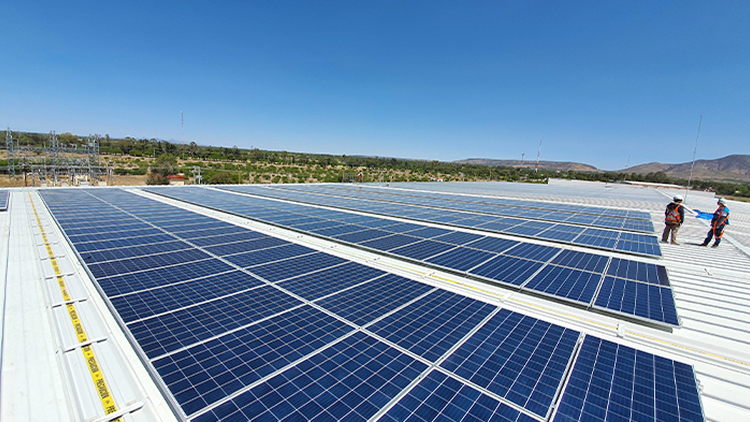
Solar Panel Installation
Group companies in Mexico and China have installed solar panels on factory rooftops to generate electricity for in-house use on production lines.

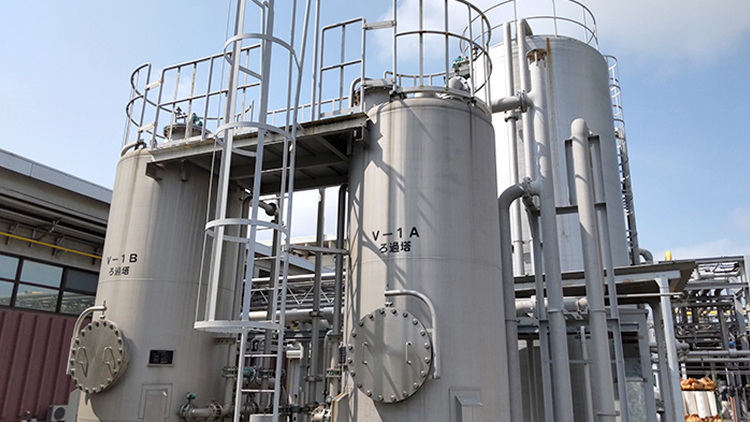
Water Recycling and Efficient Use
Some nonwoven manufacturing processes require water. At Japan Vilene, for processes that use water, we filter and recirculate it multiple times within our own facilities to reduce the burden on water resources. After use, water is discharged appropriately in compliance with local regulations.

Contribution Through Our Products (Handprint)
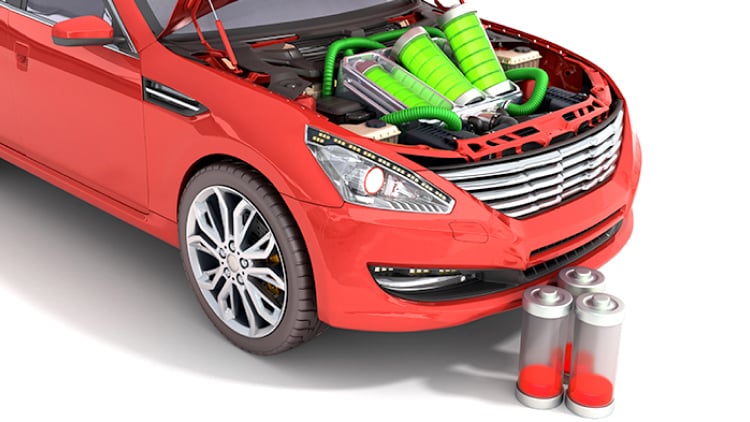
Battery Separator for Hybrid Vehicle
Our ultra-thin separators, made from ultra-fine and high-strength fibers, are used in hybrid vehicle batteries to insulate the anode and cathode. These high-performance separators support the spread of eco-friendly vehicles with better fuel efficiency and lower emissions.
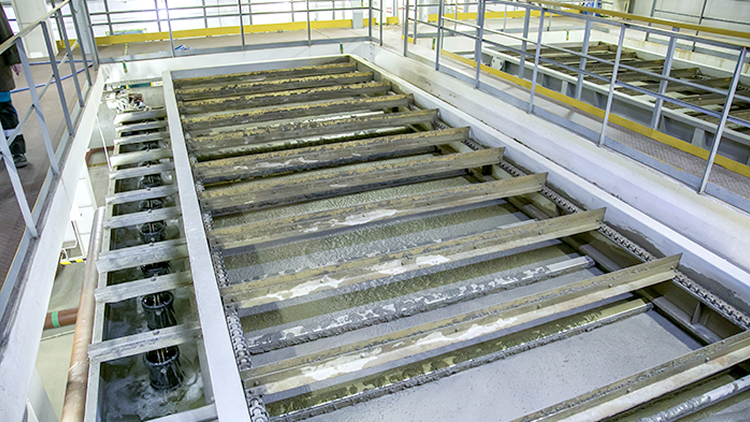
Membrane Support for Water Treatment
Our nonwoven fabrics are used as support layers for microfiltration (MF) membranes in MBR (Membrane Bioreactor) systems, which purify wastewater from homes and factories. This contributes to water quality preservation.
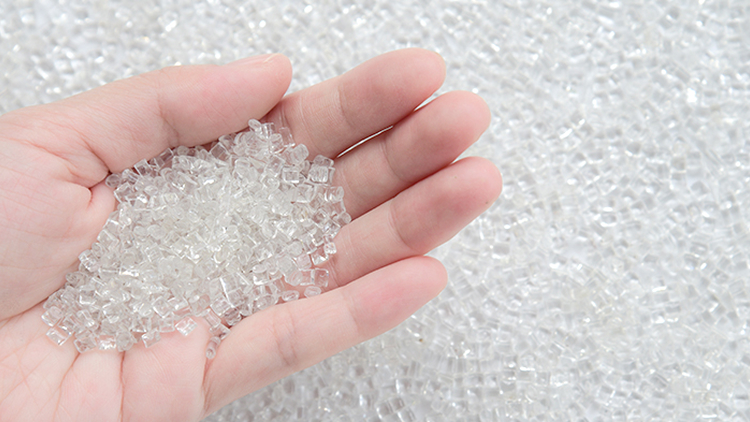
Production of Functional Recycled Staple Fibers
Our Fiber Division produces fibers using recycled PET bottle flakes and pellets. Oyama Chemical Co., Ltd. obtained GRS (Global Recycled Standard) certification for some of its fiber products in July 2022. GRS is an international standard set by Textile Exchange, a U.S.-based NGO, covering recycled content, chain of custody, social and environmental practices, and chemical restrictions.
Japan Vilene Group – ISO 14001 Certification Status
- Japan Vilene Co., Ltd. (Shiga Factory, Tokyo Factory)
- Oyama Chemical Co., Ltd.
- Vilene Create Co., Ltd.
- Korea Vilene. Company, Ltd.
- Tianjin VIAM Co., Ltd.
- VIAM Manufacturing (Thailand) Co., Ltd.
- VIAM Europe GmbH
- VIAM Manufacturing, Inc.
Alignment with the SDGs