


Nonwoven Fabrics at Work Inside Hybrid Vehicles
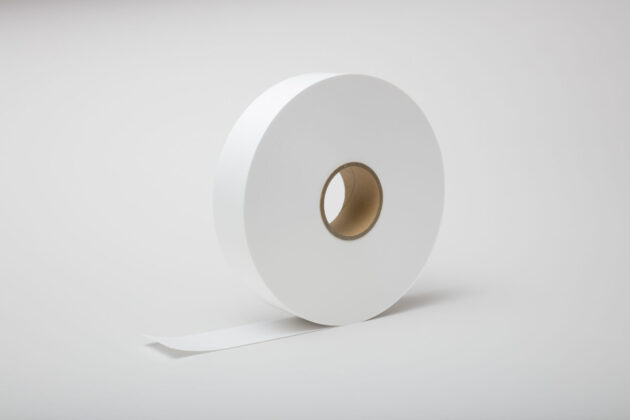
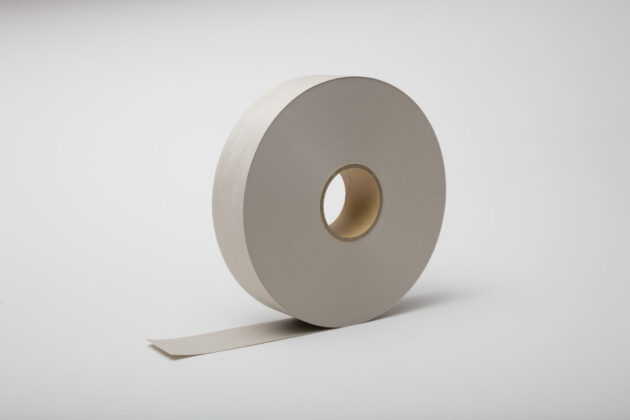
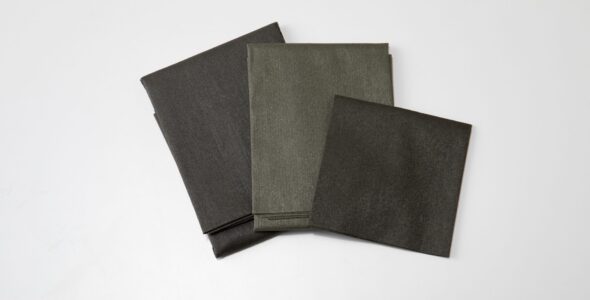
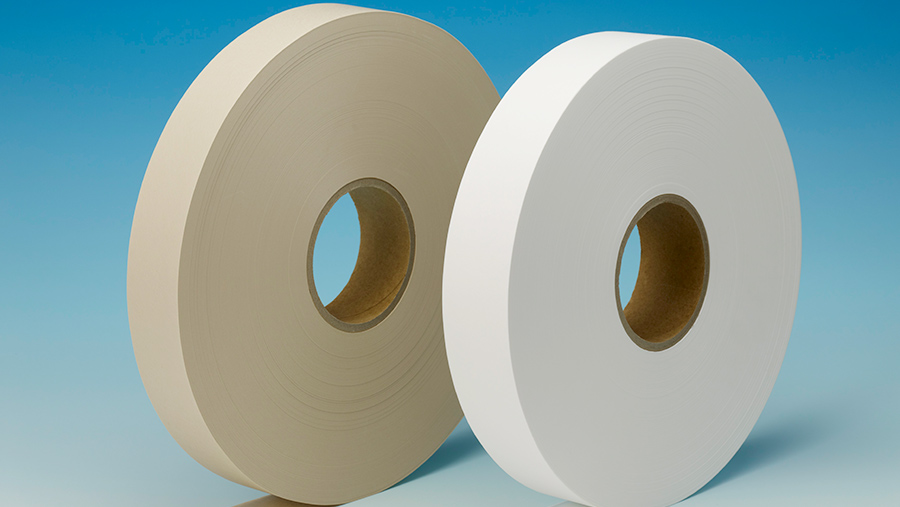
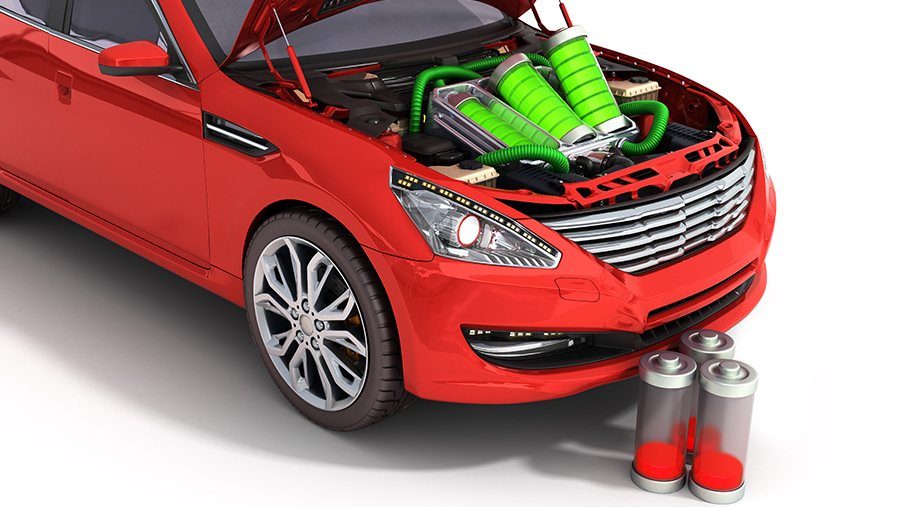
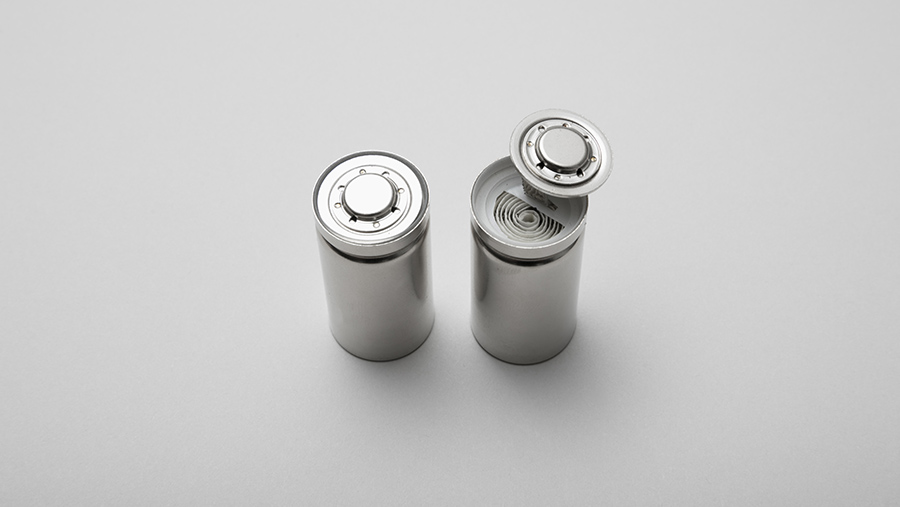
Our nickel-metal hydride (NiMH) battery separators are used in the NiMH batteries installed in hybrid vehicles. These separators play a critical role in battery performance by preventing short circuits through separating the positive and negative electrodes, while allowing ion transfer.
Our products were first adopted for automotive use in hybrid cars in 1997. Since then, we have grown to hold a dominant share in NiMH battery separators.
Behind this achievement lies the diverse technological expertise we have cultivated over the years.
Technology That Achieves Greater Uniformity and Thinness
Nickel-metal hydride (NiMH) batteries have steadily increased their capacity over a long history. To achieve higher capacity without changing battery size, the key requirement was technology to manufacture separators that are both more uniform and thinner.
Meeting this need is our proprietary “Ultra-Thin Wet-Laid Nonwoven Fabric Process.” This process enables the production of extremely lightweight nonwoven fabrics—less than 10 g/m² (roughly two-thirds of a tablespoon of sugar)—so thin that you can see through them.
This technology exemplifies our advanced capabilities and makes a significant contribution to enhancing battery performance.

Processing Technology Behind Battery Performance
Battery separators must have the ability to retain electrolyte inside the cell for extended periods. This is an essential function that cannot be compromised, no matter how thin the separator becomes.
Contributing to this capability is our advanced hydrophilic treatment technology. We have established multiple processing methods, including sulfonation using sulfuric acid, treatment with fluorine-based mixed gases, and continuous plasma hydrophilization. These technologies help extend battery life and reduce self-discharge. The breadth of these techniques reflects the depth of our processing expertise.
In addition, we are actively engaged in raw material development, working closely with material manufacturers to create diverse fibers. From improving short-circuit characteristics to enhancing electrolyte retention—which directly translates to longer battery life—we tackle battery challenges starting from the material level.
Evaluation and Analysis: The Foundation of Reliability
Another strength of our company lies in our evaluation and analysis technologies. In addition to having the capability to manufacture complete batteries—the final product—we are equipped with facilities that allow us to evaluate and analyze separators in-house, enabling us to provide customers with highly reliable data.
These technical services go beyond simply supplying materials; they play a vital role in building trust as a partner that supports our customers’ product development.
Over the course of our long history, we have continuously advanced unique manufacturing, processing, material, and evaluation technologies. Leveraging the expertise and knowledge we have accumulated, we will continue to develop materials that meet future needs and strive to create solutions that contribute to next-generation mobility and energy sectors.